

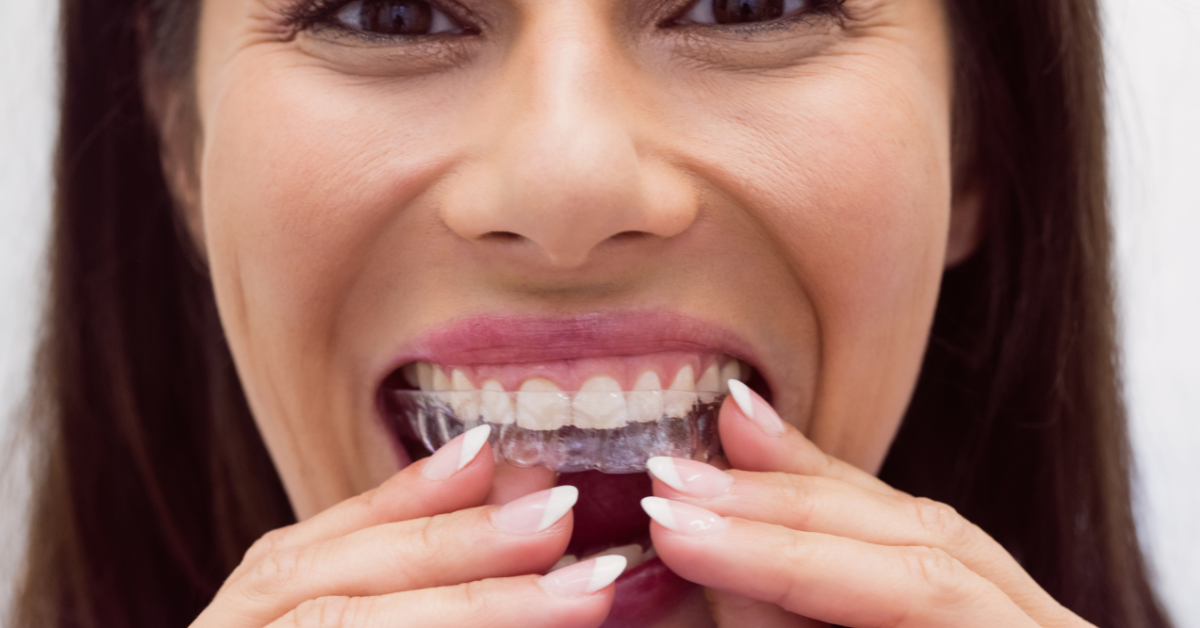
Choosing clear aligners is a fantastic way to straighten your smile without the look of metal braces. One of the biggest reasons people love this treatment is the freedom it offers, especially when it comes to their diet.
However, having that flexibility doesn’t mean there aren’t any rules to follow. To get the best results and keep your treatment on track, it helps to work with an experienced dentist in Lethbridge who can guide you through the process.
By understanding how to manage your meals and your aligner hygiene, you can enjoy the journey to a straighter smile without any unexpected setbacks or stains.
How Does Eating Work With Clear Aligners?
The most important rule of clear aligner treatment is that you must remove your trays before eating or drinking anything other than plain water. This is a major benefit compared to traditional braces, where food gets stuck in wires and brackets.
When you look for Invisalign near you, your provider will emphasize that the trays are not designed to withstand the pressure of chewing.
Wearing them while you eat can crack the medical-grade plastic or warp their shape, preventing them from moving your teeth correctly.
Are There Specific Foods to Avoid?
Because you take the trays out to eat, you can technically eat whatever you want.
However, there are still some foods to avoid with Invisalign, not because they damage the trays, but because they can harm your teeth during treatment. Since your teeth are being moved, they may feel slightly tender, making certain foods a challenge.
Additionally, some items increase the risk of cavities while your teeth are “trapped” under the aligners for 22 hours a day.
- Hard Candies and Nuts: These can put too much pressure on sore teeth after you switch to a new tray.
- Sticky Sweets: Caramel and taffy leave a hard-to-remove residue, which can lead to decay under the tray.
- Highly Pigmented Foods: Turmeric, beets, and berries can leave stains on your teeth that might transfer to your clear trays if you don’t brush well.
- Tough Meats: Biting into a steak can be uncomfortable during active phases of movement.
What Should You Know About Beverages?
While you can eat most things, drinks require more caution. Hot liquids, like coffee or tea, can actually melt or warp the plastic aligners if you drink them while wearing the trays.
Furthermore, sugary or acidic drinks like soda and wine can get trapped between the aligner and your enamel. This creates a “bath” of sugar and acid that can lead to rapid tooth decay and permanent staining.
Beverage Guidelines During Treatment
| Drink Type | Tray In or Out? | Risk Factor |
| Plain Water | In | None – Best choice for hydration. |
| Black Coffee/Tea | Out | High heat can warp trays; causes staining. |
| Soda/Fruit Juice | Out | Sugar and acid get trapped against teeth. |
| Sparkling Water | Out | Carbonation is acidic and can erode enamel. |
Essential Maintenance for Your Trays
Keeping your aligners invisible requires a bit of daily effort. Following specific Invisalign care tips helps keep your trays clear and odor-free throughout the week.
If you skip cleaning, bacteria and plaque will build up inside the tray, making it look cloudy and causing bad breath.
- Rinse Every Time: Rinse your aligners with cool water whenever you take them out to remove saliva.
- Brush Your Teeth: You must brush and floss after every meal before putting the trays back in. This prevents food from being sealed against your teeth.
- Clean the Trays: Use a soft toothbrush and clear, unscented liquid soap or specialized cleaning crystals. Avoid colored soaps that could tint the plastic.
- Use a Case: Never wrap your aligners in a napkin while eating; they are easily thrown away or crushed. Always put them in their protective case.
Dealing With Sensitivity and Diet
It is normal for your teeth to feel a bit sensitive for the first 48 hours after moving to a new set of aligners.
During these days, you should adjust your diet to include softer foods. This doesn’t mean you are restricted forever, but “taking it easy” for a couple of days per cycle can make the process much more comfortable.
- Smoothies and Shakes: A great way to get nutrition without any chewing.
- Soft Grains: Think oatmeal, pasta, or soft rice.
- Cooked Vegetables: Steamed carrots or mashed potatoes are gentler on tender teeth than raw veggies.
Achieve Your Best Results
Starting your journey toward a straighter smile is a big commitment, but the results are well worth the effort.
By following these simple rules for eating and cleaning, you can make sure your treatment stays on schedule and your teeth remain healthy. A little bit of discipline today leads to a lifetime of confidence.
At Stafford Family Dental, we are here to support you every step of the way, providing the expert advice and care you need for a successful outcome. If you have questions about your routine or want to start your transformation, reach out to us today!
Frequently Asked Questions
Can I chew gum while wearing my aligners?
No, gum will stick to the trays, creating a huge mess that is very difficult to clean off.
How long can I leave the trays out to eat?
You should wear your trays for 20 to 22 hours a day, leaving about 2 hours for meals and cleaning.
What happens if I drink coffee with the trays in?
The heat may warp the plastic, and the coffee will stain the trays, turning them yellow or brown and making them very noticeable.
Do I need to brush my aligners with toothpaste?
It is better to use clear soap; some toothpastes are abrasive and can create tiny scratches that make the trays look cloudy.