

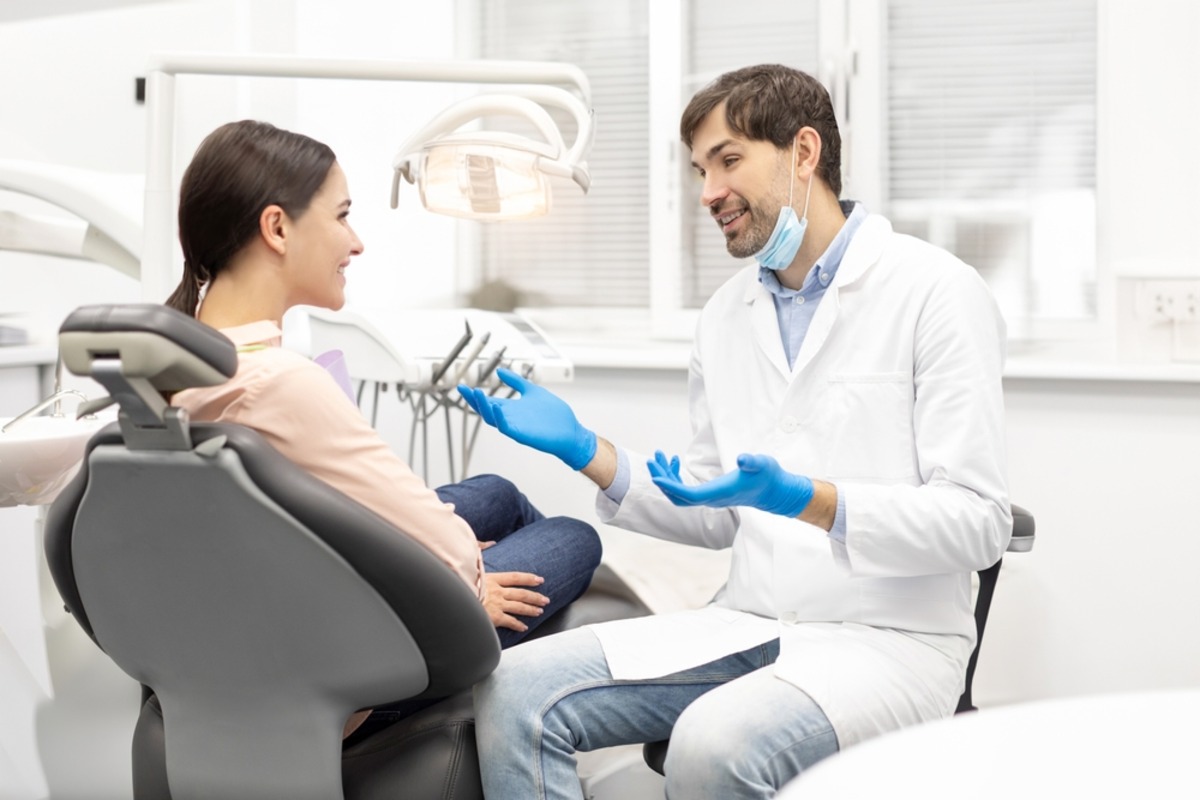
Are you feeling nervous about dental visits and looking into sedation dentistry in Lethbridge, AB? Many people want a more comfortable and stress-free experience during treatment. Sedation options like oral sedation and IV sedation can help you feel relaxed, but they work in different ways and are used based on your level of anxiety and treatment needs.
Understanding how each option works can help patients feel more confident when discussing care with a dental professional.
What Is Sedation Dentistry?
Sedation dentistry helps patients feel calm and relaxed during dental procedures. It is commonly used for people who:
- Feel anxious about dental visits.
- Have a strong gag reflex
- Need longer or more complex treatments.
- Struggle to sit still during care.
For those searching for a dentist nearby, sedation options can make dental treatment much easier and more comfortable.
What Is Oral Sedation?
Oral sedation involves taking medication by mouth before the dental appointment. It helps patients feel calm and less aware of the procedure.
Key features of oral sedation:
- Taken as a pill before treatment
- Produces mild to moderate relaxation
- Patient remains awake but very calm.
- Effects take time to wear off.
Many patients feel drowsy but can still respond to instructions during treatment.
What Is IV Sedation?
IV sedation is given through a small needle placed in the vein. It works more quickly and allows the dental clinic in Lethbridge to adjust sedation levels during treatment.
Key features of IV sedation:
- Delivered directly into the bloodstream
- Works quickly
- Produces deeper relaxation than oral sedation
- The patient may not remember much of the procedure.
This option is often used for longer or more complex dental treatments.
What Is the Difference Between Oral and IV Sedation at the Dentist?
The main differences relate to speed, depth, and control.
Oral Sedation:
- Taken as medication
- Slower to take effect.
- Mild to moderate relaxation
- Less control during the procedure
IV Sedation:
- Given through a vein
- Works almost immediately
- Deeper level of relaxation
- Adjustable during treatment
Understanding the difference between oral and IV sedation at the dentist. helps patients choose the right option based on anxiety level and treatment type.
Which Sedation Option Is Stronger?
IV sedation is generally stronger because it works faster and can be adjusted during treatment. Oral sedation is lighter and often used for patients with mild to moderate anxiety.
A dental professional may recommend the best option based on:
- Level of dental fear
- Length of procedure
- Medical history
- Comfort needs
Is Sedation Dentistry Safe for Anxious Patients?
Many patients ask, Is sedation dentistry safe for patients with dental anxiety? In most cases, sedation is considered safe when properly planned and monitored by trained professionals.
Safety is ensured by:
- Checking the patient carefully before treatment
- Reviewing medical history
- Monitoring the patient during the procedure
- Adjusting sedation if needed
Patients are closely monitored during treatment to ensure their safety and comfort.
Benefits of Sedation Dentistry
Sedation options can improve the dental experience in many ways:
- Reduces fear and anxiety
- Helps complete longer treatments comfortably
- Minimizes awareness of procedure
- Improves patient cooperation
- Supports better oral health outcomes
These benefits make dental care more accessible for anxious patients.
Who May Benefit Most from Sedation?
Sedation dentistry may be helpful for individuals who:
- Have severe dental anxiety
- Need multiple procedures
- Experience strong sensitivity
- Have difficulty sitting through appointments
- Avoid dental visits due to fear
How to Prepare for Sedation Dentistry
Before sedation treatment, patients may be advised to:
- Avoid food or drink before the appointment (if instructed)
- Arrange transportation home
- Share full medical history.
- Follow pre-treatment instructions carefully.
Preparation helps ensure a smoother experience.
What Happens After Sedation?
Recovery depends on the type of sedation used.
After oral sedation:
- Drowsiness may last several hours.
- Rest is recommended
- Normal activities resume later in the day.
After IV sedation:
- Stronger grogginess may occur.
- Full recovery takes longer.
- Rest is needed for the remainder of the day.
A More Comfortable Dental Experience Is Possible!
Understanding sedation options can help anxious patients feel more confident about receiving dental care. Both oral and IV sedation are designed to reduce fear and improve comfort during treatment, making it easier to maintain long-term oral health. Schedule a consultation today to explore personalized sedation options and receive gentle, supportive care at Stafford Family Dental.
FAQs
Can I drive after sedation dentistry?
No. After oral or IV sedation, you should not drive and must arrange for someone to take you home.
Will I feel pain during sedation?
Sedation helps you feel relaxed and less aware during treatment. Local anesthesia is also used to make sure you do not feel pain.
How do I know which sedation is right for me?
A dental professional will evaluate anxiety level, medical history, and treatment needs before recommending the best option.
Can children use sedation dentistry?
In some cases, sedation may be considered for children, depending on their age, health, and treatment needs.