

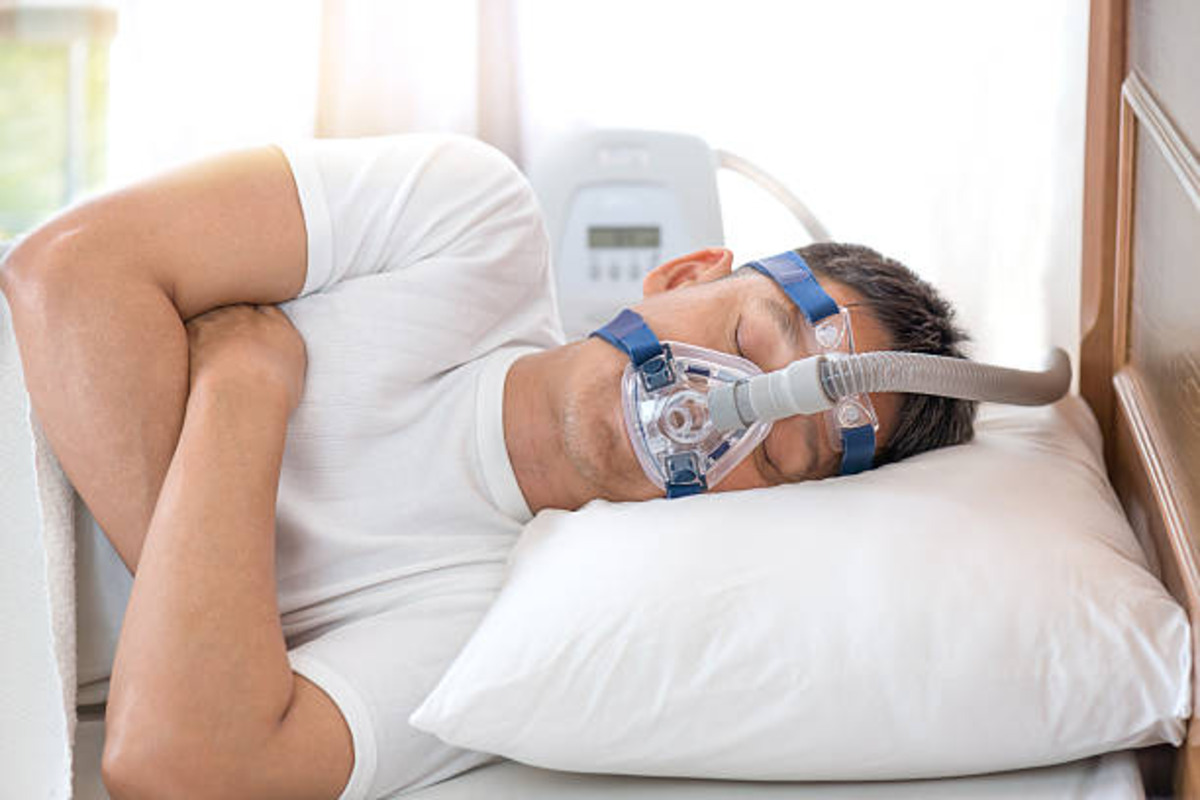
For years, the CPAP machine has been the standard treatment for sleep apnea. It works — but many people find it difficult to actually use. The mask feels claustrophobic. The noise disturbs sleep. The equipment is bulky and hard to travel with. And for some patients, the discomfort is so significant that they stop using it altogether.
Sleep apnea treatment in Lethbridge has evolved. Today, dental clinics are offering an effective, comfortable alternative that more and more patients are choosing — and getting genuinely good results from.
What Is Sleep Apnea and Why Does It Matter?
Sleep apnea is a condition where breathing repeatedly stops and starts during sleep. The most common type—obstructive sleep apnea—happens when the muscles in the throat relax too much, causing the airway to narrow or collapse.
The consequences of untreated sleep apnea go far beyond feeling tired. Over time, it has been linked to:
- High blood pressure
- Heart disease and irregular heart rhythm
- Stroke
- Type 2 diabetes
- Depression and anxiety
- Increased risk of accidents caused by daytime fatigue
Getting treatment is not just about sleeping better—it is about protecting your overall health.
How Dentists Treat Sleep Apnea Without a CPAP Machine
This surprises many people. A dentist treating sleep apnea? It makes complete sense once you understand the connection.
Sleep apnea is often caused by the position of the jaw and tongue during sleep. Dentists are experts in jaw structure, bite mechanics, and oral anatomy—making them uniquely qualified to address the physical cause of obstructive sleep apnea.
How dentists treat sleep apnea without a CPAP machine comes down to a simple but highly effective approach—oral appliance therapy.
What Is Oral Appliance Therapy for Sleep Apnea?
Oral appliance therapy for sleep apnea involves a custom-fitted device that looks similar to a mouthguard or a sports guard. It is worn during sleep and works by gently repositioning the lower jaw slightly forward.
The benefits of forward positioning:
- Opens the airway while preventing tissue collapse in your throat
- Removes or stops pauses in breathing which occur with sleep apnea
- Stops snoring as airways stay clear
- Allows for deeper, more restorative sleep throughout the night
The appliance is custom-made from precise impressions of your teeth. It fits snugly and comfortably — and most patients adapt to wearing it within just a few nights.
Why Patients Prefer Oral Appliances Over CPAP
The reasons patients choose oral appliance therapy over CPAP are very practical.
Oral appliances are
- Small and discreet — fits in a small case, easy to travel with
- Silent — no machine noise disturbing you or your partner
- Comfortable — no mask, no straps, no pressure on the face
- Easy to use — simply insert and go to sleep
- Easy to clean — rinse and brush like a mouthguard
- More likely to be used consistently — higher compliance than CPAP
Studies consistently show that patients are significantly more likely to use oral appliances regularly compared to CPAP machines—which means the treatment actually works because people stick with it.
Alternatives to CPAP for Sleep Apnea Treatment
If CPAP didn’t work or you want to see what else might be an option before making a CPAP purchase, alternatives to CPAP for sleep apnea treatment are as follows:
- Custom oral appliances — the most widely used dental option, highly effective for mild to moderate sleep apnea
- Combination therapy — some patients use a lower-pressure CPAP alongside an oral appliance for severe cases
- Positional therapy — for patients whose apnea is worse when sleeping on their back
- Lifestyle modifications—weight loss, reduced alcohol consumption, and quitting smoking can all significantly reduce sleep apnea severity
- Surgical options—for selected patients where anatomical factors are contributing to airway obstruction
A trusted dentist in Lethbridge who is trained in dental sleep medicine will assess your specific situation and help you determine which option is most appropriate for your needs.
What to Expect When You Visit a Dental Clinic for Sleep Apnea
The process is straightforward and begins with a conversation about your symptoms.
Here is what the journey typically looks like:
- Initial consultation—your dentist reviews your sleep history, symptoms, and any sleep study results you have
- Oral examination—the jaw, tongue, airway, and bite are assessed
- Impressions or digital scans—precise measurements are taken to create your custom appliance
- Fitting appointment—the appliance is fitted and adjusted for comfort and effectiveness
- Follow-up visits—ongoing monitoring ensures the appliance is working well and remains comfortable
If you have not yet had a formal sleep study, your dentist may refer you to a sleep physician for diagnosis before treatment begins. A proper diagnosis ensures the treatment is matched correctly to the severity of your condition.
A Dental Clinic Near You Can Help—If You Know What to Ask
Not every dental clinic near you offers sleep apnea treatment. When looking for care, ask specifically whether the practice offers dental sleep medicine and oral appliance therapy — and whether the dentist has training in this area.
A practice that takes sleep apnea seriously will have a clear process for assessment, custom appliance fitting, and ongoing monitoring to ensure your treatment is effective.
Sleep Better Starting Tonight — Stafford Family Dental Is Here for You
You do not have to choose between your sleep apnea going untreated and struggling through every night with a CPAP machine. There is a comfortable, effective, and proven alternative — and it starts with a conversation at your dental clinic.
At Stafford Family Dental, the team is committed to helping patients in Lethbridge get the restful, restorative sleep they deserve. With a patient-centred approach and genuine expertise in oral appliance therapy, they are ready to assess your situation and guide you toward the solution that works best for your life. Book your appointment with us today—because better sleep changes everything.
Frequently Asked Questions
Can a dentist officially diagnose sleep apnea?
Dentists are not able to diagnose sleep apnea—diagnosis requires a formal sleep study conducted or ordered by a physician—but dentists trained in dental sleep medicine can identify signs of sleep-disordered breathing and refer you appropriately before providing oral appliance therapy.
Is oral appliance therapy effective for severe sleep apnea?
Oral appliances work best for mild to moderate obstructive sleep apnea—for severe cases, combination therapy with CPAP may be recommended, though some patients with severe apnea who cannot tolerate CPAP do benefit meaningfully from oral appliances under close monitoring.
How long does it take to get used to sleeping with an oral appliance?
Most patients adapt within one to two weeks—some mild jaw soreness or increased saliva production is common initially and typically settles as the mouth adjusts to the appliance.
Does dental insurance cover oral appliance therapy for sleep apnea?
Coverage varies significantly between plans—medical insurance sometimes covers oral appliances when sleep apnea has been formally diagnosed, while dental insurance coverage depends on the specific plan, so it is worth checking with both providers before treatment begins.