

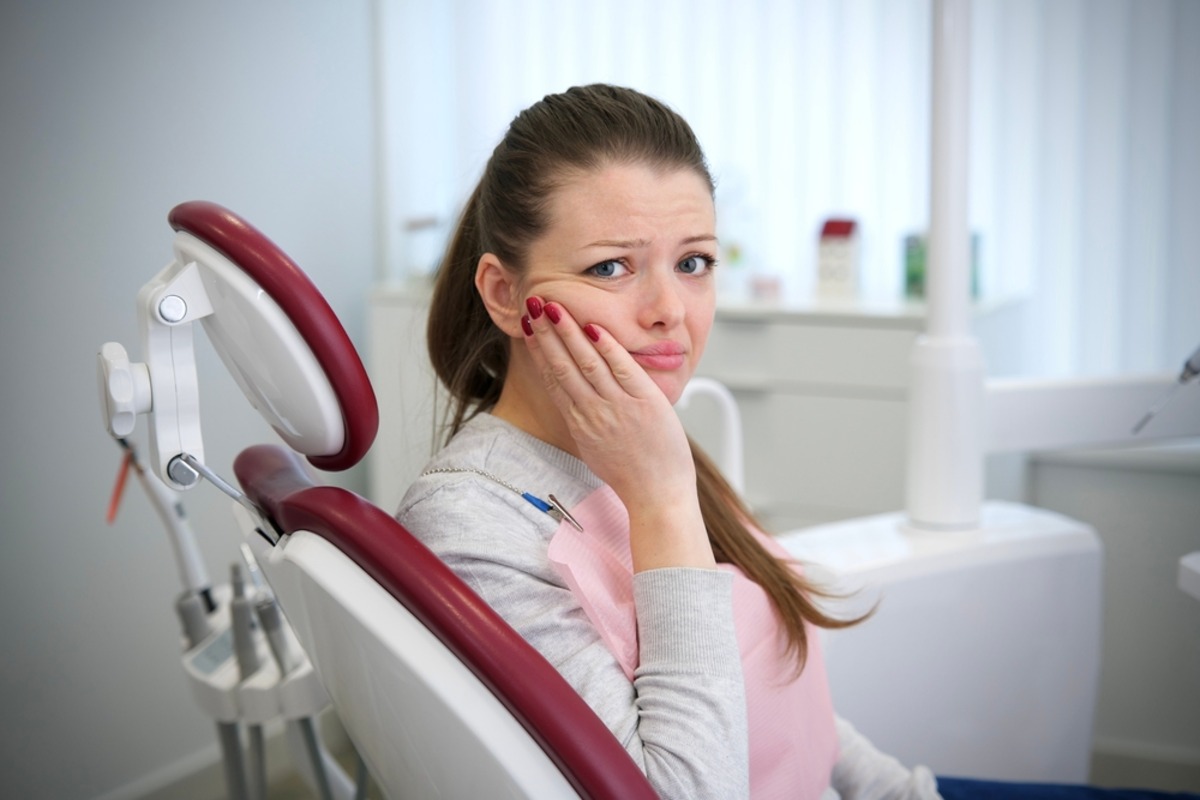
Tooth pain can happen even when no cavity is visible. The cause may be a tiny crack, worn enamel, gum problems, teeth grinding, or irritation inside the tooth. Sometimes, the problem is hidden between teeth or below the gumline and cannot be seen in a mirror. If the pain continues, a dentist in Lethbridge can examine your teeth and gums to find the cause. Tooth pain may feel sharp when biting, appear after drinking something hot or cold, or cause a dull ache that comes and goes. The type of pain and what triggers it can provide useful clues, but they cannot confirm the cause on their own. Finding the reason early can help prevent the problem from getting worse and guide the right treatment.
Why Does My Tooth Hurt Without a Cavity?
The answer to why my tooth hurts without a cavity depends on what is affecting the tooth or nearby tissues. Tooth decay is only one possible cause of dental pain. Other problems can affect the enamel, roots, gums, or inner part of a tooth.
Common causes include:
- Tooth sensitivity: Worn enamel or exposed roots can make teeth react to hot, cold, sweet, or acidic foods.
- A cracked tooth: A small crack may cause pain when chewing, even if it is difficult to see.
- Gum problems: Swollen or infected gums can cause pain around your teeth.
- Teeth grinding: Grinding or clenching your teeth can put pressure on your teeth and jaw muscles.
- Sinus pressure: Swelling in your sinuses can sometimes cause pain in your upper back teeth.
What Causes Tooth Pain Without a Visible Cavity?
Understanding what causes tooth pain without a visible cavity starts by looking beyond the tooth’s surface. Some dental problems are difficult to spot without a careful examination.
1. Worn Enamel or Exposed Tooth Roots
Enamel is the hard outer layer that protects your teeth. If it wears away or your gums pull back, the inner parts of your teeth may become sensitive. You may feel a short, sharp pain when eating or drinking something hot or cold.
2. A Small Crack or Tooth Injury
A tooth can crack if you bite something hard, injure your mouth, or put too much pressure on your teeth. You may feel pain when you bite down or let go. Small cracks can be hard to see without special dental tools.
3. Swelling or Infection Inside the Tooth
The soft part inside your tooth can become swollen or infected because of deep decay, a crack, or an injury. You may not see a hole in the tooth. If the pain lasts, feels like a steady ache, or starts for no clear reason, visit a family dental clinic near you.
4. Gum Disease or Grinding
Inflamed gums can cause tenderness and bleeding, while grinding can leave teeth sore or sensitive. Grinding may also cause jaw discomfort, especially upon waking.
How Can You Reduce Tooth Pain at Home?
Home care may help relieve mild tooth pain, but it cannot address the underlying cause. Until you know what is wrong, try these steps:
Avoid very hot, very cold, very sweet, or very hard foods if they cause pain.
Brush gently with a soft toothbrush and fluoride toothpaste.
Chew on the other side of your mouth if biting hurts.
Rinse your mouth gently with warm salt water if your gums are sore.
Take pain medicine from a pharmacy only as directed and if it is safe for you.
Do not put aspirin directly on your tooth or gums, as it can hurt the tissue.
If the pain continues or gets worse, see a dentist without delay.
When Should You See a Dentist?
If you are asking Why does my tooth hurt if there is no cavity, arrange a dental visit when the pain lasts more than a day or two, keeps returning, or affects eating or sleeping. A family dental clinic near you can check for cracks, gum problems, sensitivity, and hidden decay.
Seek urgent dental care for severe or worsening pain, swelling, pus, or fever. If swelling makes breathing or swallowing difficult, seek emergency medical help immediately.
A dentist in Lethbridge may examine the tooth, check your bite, test its response to temperature, and take X-rays if needed. The right treatment depends on the cause and may include care for sensitivity, a filling or crown for a damaged tooth, or treatment for gum disease or infection.
Get Answers and Relief for Your Tooth Pain!
Tooth pain can make eating, sleeping, and daily activities uncomfortable. Finding the cause is the first step toward choosing the right care and protecting your oral health. At Stafford Family Dental, you can discuss your symptoms, understand your treatment options, and get guidance suited to your needs. Book your appointment to have your tooth checked and take the next step toward lasting comfort.
FAQs
Why does my tooth hurt only when I bite down?
Your tooth may hurt when you bite down because it is cracked, a filling is damaged, you grind your teeth, or the area around the tooth is swollen. A dentist can examine your tooth to identify the cause and recommend the appropriate treatment.
Can stress cause tooth pain?
Stress may lead to clenching or grinding, which can strain teeth and jaw muscles. A dentist can check for signs of grinding and discuss ways to reduce the pressure.
Can sinus problems make my teeth hurt?
Yes. Inflamed sinuses can cause pressure that feels like pain in the upper back teeth. Dental causes should still be checked if the pain continues or affects one specific tooth.
Will tooth pain go away on its own?
Mild sensitivity may improve when the trigger is avoided, but ongoing or repeated pain should not be ignored. The cause may need treatment even if the pain temporarily stops.